
Saturday night, the game is starting, one person wants live sports, someone else wants a kids’ channel, and another family member is already asking to watch on a tablet. That is where the IPTV vs cable television question gets real. It is not about buzzwords. It is about which service works better for your home, your internet, and the way your family actually watches TV.
For many households, both options can deliver a solid viewing experience. The better choice depends on what matters most to you – reliability during peak hours, app access, equipment needs, channel preferences, or the convenience of bundling everything under one provider. If you are comparing TV services in a practical way, here is what you need to know.
IPTV vs cable television: what is the difference?
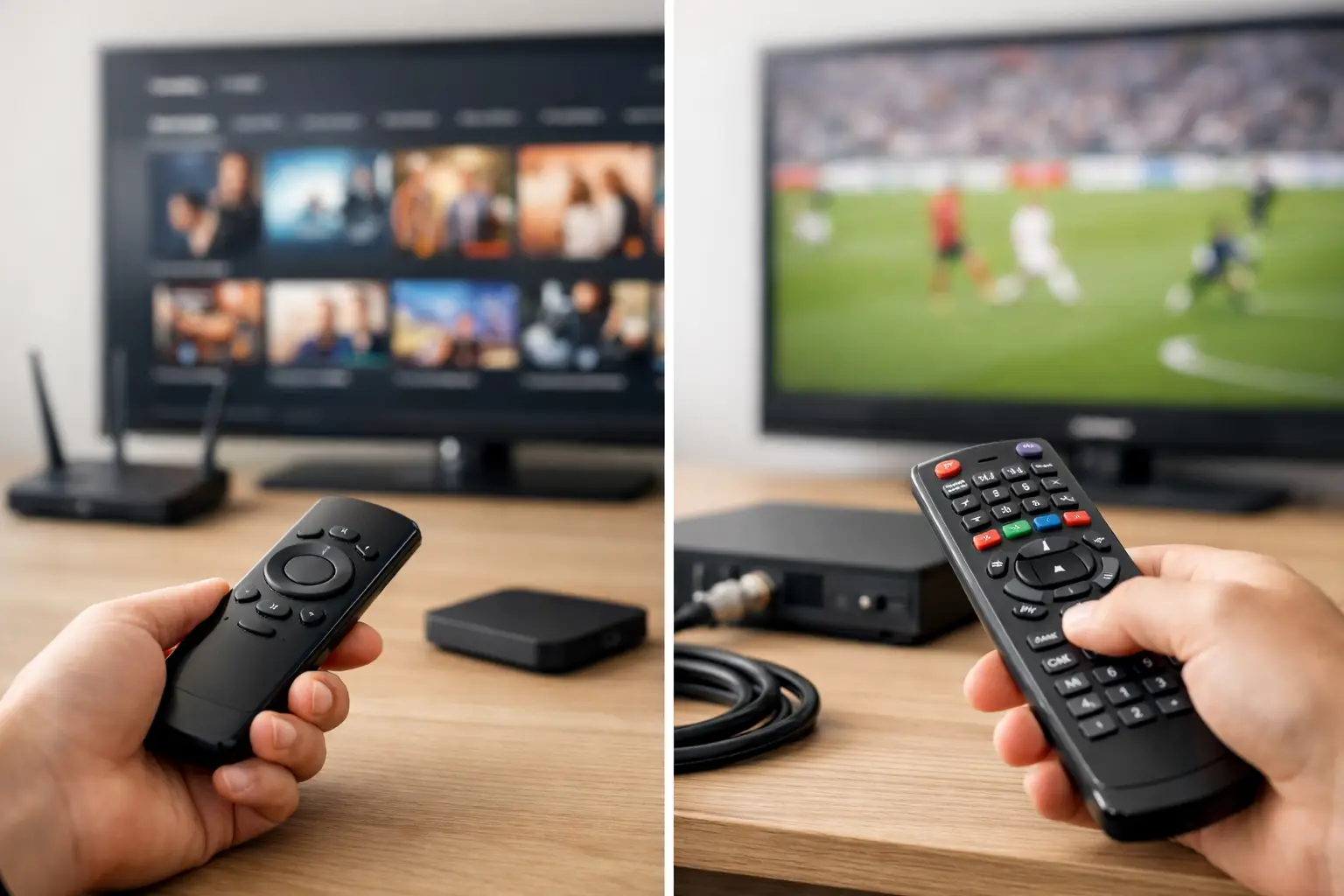
Cable television is the familiar setup many homes have used for years. TV channels are delivered through a coaxial cable connection, usually with a set-top box connected to each television. It is designed around scheduled channels, live programming, and a stable in-home TV experience.
IPTV stands for Internet Protocol Television. Instead of sending channels through a traditional cable TV signal, IPTV delivers content over an internet connection. That can include live TV, on-demand programming, and app-based features that feel more like modern streaming, but in a managed TV service environment.
From the customer side, the difference is simple. Cable uses a dedicated cable TV delivery method. IPTV uses your internet connection to bring television into your home. That changes how the service behaves, how flexible it feels, and what kind of setup makes the most sense.
Where cable television still wins
Cable television remains a strong option for homes that want a straightforward, familiar service. Turn on the TV, pick a channel, and watch. There is very little learning curve, which matters for families with mixed comfort levels around technology.
Cable can also feel more predictable for people who mostly watch live channels and do not care much about advanced features. News, sports, local stations, and popular networks are easy to access. If everyone in the home is used to a standard remote and channel guide, cable keeps things simple.
Another advantage is that cable TV performance is not tied to your home internet usage in the same way IPTV is. If several people are gaming, working remotely, or streaming at once, cable television may feel like the safer choice for the TV side of the house.
That said, cable often comes with more hardware, less flexibility across devices, and fewer modern viewing features unless you pay for upgraded equipment.
Why more homes are looking at IPTV
IPTV appeals to households that want TV to fit into modern daily life. People no longer watch only from the living room couch. They watch in the bedroom, on a tablet in the kitchen, or on a phone while traveling. IPTV is built for that kind of flexibility.
It also tends to offer a more interactive experience. Depending on the provider, you may get features like restart TV, cloud recording, on-demand libraries, integrated apps, or easier multi-room viewing. For busy families, that convenience matters. If someone misses the start of a show or wants access on another screen, IPTV often handles it better.
For customers already shopping for high-speed internet, IPTV can also make bundling more attractive. Having internet and TV working together under one service setup can reduce friction, especially when you want one point of contact for installation, support, and billing.
This is one reason providers such as S-Connect see growing interest in IPTV from households that want a modern bundle without overcomplicating the process.
IPTV vs cable television for picture quality and performance
Both services can deliver excellent picture quality, including HD and in many cases 4K content. The difference is not usually about which technology is automatically sharper. It is about the quality of the provider, the strength of the home setup, and what else is happening on the network.
Cable television has a reputation for consistency because it uses a long-established delivery system. If your main goal is dependable live TV with minimal setup decisions, that reliability still has real value.
IPTV can look just as good, and sometimes better in terms of interface and overall user experience, but it depends more on internet performance. In a home with strong speeds, unlimited data, and stable Wi-Fi or wired connections, IPTV can feel fast, smooth, and highly convenient. In a home with weak internet coverage, older routers, or heavy congestion, the experience may vary.
That is why internet quality matters so much in this comparison. If your provider offers strong broadband and good in-home support, IPTV becomes much more compelling.
Cost is not always as straightforward as it seems
Many shoppers start with price, and that makes sense. But the cheapest monthly number does not always tell the whole story.
Cable television can sometimes look competitive at first, especially in promotional bundles. But equipment rental fees, extra room charges, premium channels, and contract terms can change the real cost over time.
IPTV may offer better value for homes that want flexibility and multi-device access built into the service. If you can replace some standalone streaming subscriptions or avoid extra hardware, the overall monthly setup may make more sense.
Still, it depends on your habits. If you only want basic live channels on one TV, cable may feel efficient. If your household wants live TV, on-demand content, and access across multiple screens, IPTV often gives you more for what you pay.
The smart move is to compare the full package, not just the advertised rate. Ask what equipment is required, how many devices are supported, whether installation is included, and what happens after any introductory pricing ends.
Reliability in rural and small-town areas
This part matters a lot for households outside major urban centers. In smaller communities and rural areas, internet quality can vary widely by address. That directly affects whether IPTV is the right fit.
If you have access to fast, reliable internet with enough capacity for streaming and everyday household use, IPTV can be an excellent option. If your area has weaker service, spotty Wi-Fi, or limited bandwidth, cable television may still be the safer path for consistent viewing.
This is why local service knowledge matters. A provider that understands the realities of Stratford, Listowel, London, Mitchell, and surrounding areas can give more useful guidance than a generic national sales pitch. Coverage, infrastructure, and in-home setup are not the same in every neighborhood.
For homes in underserved areas, the best TV choice often starts with an honest internet assessment.
Which is easier to use?
Cable is usually easier for people who want a traditional TV experience with no surprises. The remote is familiar, the channel guide is straightforward, and the whole setup feels routine.
IPTV is often easy as well, but in a different way. It is built around menus, apps, recommendations, and cross-device access. For some users, that feels more natural than old-school channel surfing. For others, especially those who prefer a very simple TV routine, cable may feel more comfortable.
If multiple generations live in the home, this point deserves more attention than people think. The best service is not just the one with the most features. It is the one your household will actually enjoy using every day.
So, which one should you choose?
If your priority is a traditional live TV experience, stable channel viewing, and minimal dependence on internet conditions, cable television still makes sense. It is a practical fit for homes that want simplicity and predictability.
If your priority is flexibility, modern viewing features, multi-device access, and a bundle built around strong internet service, IPTV is often the better long-term choice. It fits the way many families watch today, especially in homes balancing work, school, gaming, and streaming.
The real answer in the IPTV vs cable television debate is not that one is always better. It is that the right service should match your household, your connection, and your expectations. A busy family in a well-connected home may get far more value from IPTV. A home that wants basic TV with familiar equipment may be happier staying with cable.
The best next step is to look at your internet quality, your viewing habits, and how many screens you actually use. When those pieces line up, choosing TV service gets a lot easier – and a lot more worth the monthly bill.