

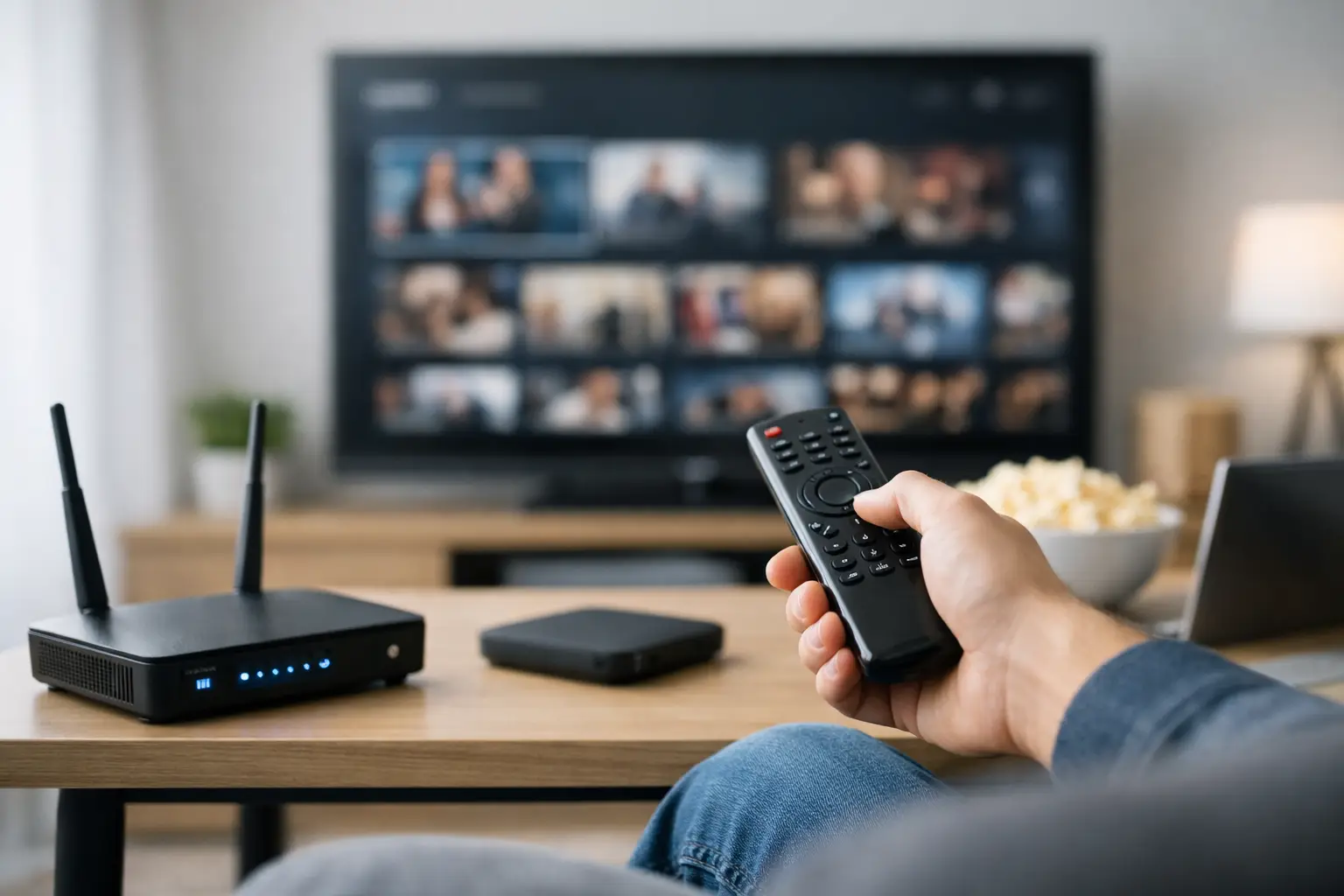
Friday night gets frustrating fast when the movie drops to blurry video, the kids start another stream upstairs, and a video call freezes in the middle of it all. That is usually the moment people realize a streaming friendly internet package is not just about advertised speed. It is about having enough consistent bandwidth, unlimited data, and dependable performance for the way your household actually uses the internet.
For homes across Southwestern Ontario, that matters even more. Many families are balancing smart TVs, tablets, gaming consoles, work laptops, and phones at the same time. Some are in town with multiple provider options. Others are in rural areas where coverage, installation, and local support can make the difference between a good plan on paper and a service that works day after day.
What makes a streaming friendly internet package?
A good package for streaming needs to do three things well. It needs enough speed for the number of people using the connection, enough data so you are not watching usage every month, and enough reliability so picture quality stays steady during busy hours.
Speed is the first thing most people look at, but it is only one part of the decision. If one person streams in HD and nobody else is online, a modest plan may be perfectly fine. If two adults are working from home, one child is gaming, and another is streaming on a tablet, the plan needs more room. The issue is not just downloading a show. It is the total demand from every device connected at once.
Unlimited data is just as important for streaming households. HD and 4K streaming can use a surprising amount of data over a month, especially in homes that have replaced traditional TV with internet-based viewing. A cheaper package with usage caps can become more expensive once overage charges or speed throttling enter the picture.
Reliability is the part people tend to notice only when it is missing. A package can advertise high speeds, but if the connection struggles at peak times or the in-home setup is weak, streaming still suffers. That is why practical buyers should look at the full experience, not just the top number on the plan.
How much speed do you really need for streaming?
The right answer depends on your household size and viewing habits. A single person or couple who mostly streams in HD and does light browsing can often do well on 100 Mbps. That level can handle everyday streaming comfortably, with room for phones, smart home devices, and casual use.
For larger households, 250 Mbps to 500 Mbps is often a better fit. This range makes more sense when multiple TVs are active, remote work is part of the daily routine, and gaming or video calls happen at the same time. It gives your household breathing room, which is what prevents buffering when everyone logs on at once.
Gigabit service is usually best for very busy homes, heavy streamers, competitive gamers, content creators, or small businesses operating from home. Not every home needs 1 Gbps, and it is smart to be honest about that. But for households with constant simultaneous usage, it can be the difference between managing your internet and forgetting about it altogether.
Why unlimited data matters more than many people think
A lot of customers focus on download speed and overlook data limits. For streaming, that can be a mistake. A few hours of nightly streaming across several devices adds up quickly over a billing cycle, especially when 4K is involved.
If your household uses streaming as its main source of entertainment, unlimited data removes a monthly headache. You do not need to monitor every movie night, every weekend sports stream, or every extra episode the kids watch after school. It also makes the internet more flexible for work, school, cloud backups, and software updates happening in the background.
That is one reason unlimited plans tend to be the safer long-term choice for families. They are simpler, more predictable, and better aligned with how people actually live online now.
A streaming friendly internet package should fit your whole home
Streaming quality is not only about the connection coming into the house. It is also about how well that connection reaches the rooms where people use it. A package can be fast at the modem and still feel slow in a basement TV room or upstairs bedroom if Wi-Fi coverage is uneven.
That is why installation support and equipment quality matter. In some homes, especially larger layouts or older properties with thicker walls, placement of the modem or router has a real impact on performance. A provider that helps you match the service to your home setup offers better value than one that simply quotes a speed and leaves the rest to chance.
This is especially relevant in mixed communities where some customers live in compact town homes and others are in farmhouses or rural properties with different coverage realities. The right package is the one that works where you live, not just the one that sounds fastest in an ad.
Rural and small-town customers need a practical approach
People in Stratford, Listowel, London, Mitchell, and surrounding communities often shop for internet with a different mindset than customers in major metro areas. They want clear answers on availability, installation, and monthly value. They also want to know whether the service will hold up for streaming, work, and school without constant troubleshooting.
That practical mindset is the right one. In smaller towns and rural areas, the best package is not always the most aggressive speed tier. It is the package supported by solid infrastructure access, honest service expectations, and responsive local assistance when you need it.
A provider like S-Connect stands out here because local service is part of the value. When customers want straightforward help choosing between 100 Mbps, 250 Mbps, 500 Mbps, or 1 Gbps, they do not need technical jargon. They need a recommendation based on household size, usage patterns, and location.
When bundling makes a streaming package better
For many households, internet is only one part of the monthly connectivity bill. TV, phone, mobile, and even home security can all be part of the same decision. Bundling can make a streaming setup more convenient, but it should still start with the right internet foundation.
If your home uses IPTV or multiple connected entertainment services, your internet package has to support that demand first. After that, bundling can simplify billing and reduce the hassle of managing separate providers. For families and small business owners, that convenience has real value.
The trade-off is simple. A bundle is worth considering when it improves overall value and keeps service easy to manage. It is less useful if it pushes you into a package that does not fit your actual streaming needs. Start with performance, then look at the extras.
Signs it is time to upgrade your current plan
If streaming quality drops whenever more than one device is active, your current package may be too small for your household. The same is true if video calls stutter during peak evening hours, online games lag when someone starts a show, or you regularly worry about data usage near the end of the month.
Another common sign is when your household habits have changed. Maybe one remote worker became two. Maybe your family cut cable and now streams everything. Maybe the kids are older and every bedroom has a connected screen. Internet plans that once felt fine can become limiting without much warning.
Upgrading does not always mean jumping straight to the fastest tier available. Often, moving from entry-level service to a mid-range unlimited plan is enough to make streaming feel smooth and reliable again.
Choosing the best streaming friendly internet package
The best choice comes down to how many people are online, how often you stream, whether you work or study from home, and how important unlimited data is to your monthly budget. A smaller household can save money with a right-sized plan, while busy homes usually benefit from stepping up before buffering becomes a daily problem.
The smartest approach is simple. Choose a package that fits your current needs with a little room to grow, prioritize unlimited data, and make sure the provider can support your location properly. Fast internet is great, but dependable internet that works for real life is what turns a package into a smart buy.
If your home depends on streaming every day, the right package should feel easy. Your shows should load, your calls should stay clear, and your family should be able to get online without negotiating who gets to use the Wi-Fi first. That is the kind of internet people actually want.