

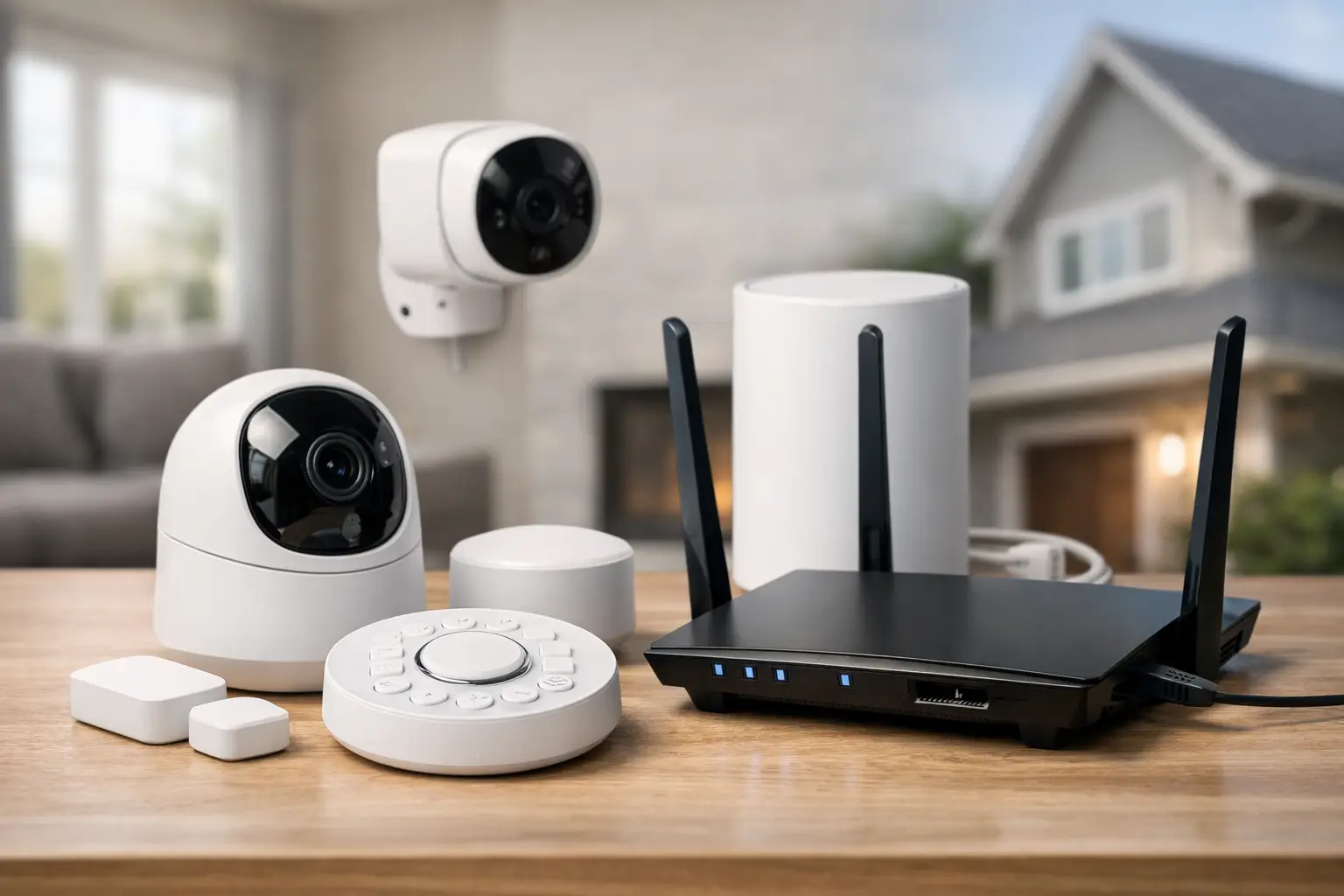
A frozen video call during work is frustrating. Missing a motion alert from your front door because your connection keeps dropping is a different kind of problem. That is why more households are looking at a home security and internet bundle instead of treating internet and protection as two separate purchases.
For families, remote workers, and homeowners, bundling can be a smart move. You get one provider, one bill, and a setup designed to keep your home connected while supporting cameras, smart devices, alarms, and everyday internet use. But a bundle is only worth it when the service behind it is reliable. Low pricing on paper does not help much if your cameras lag, your app disconnects, or your upload speeds fall apart when everyone gets online.
Why a home security and internet bundle appeals to homeowners
The biggest advantage is convenience, but convenience is not the whole story. A good bundle can also improve how your home runs day to day. Security systems now depend on stable internet for mobile alerts, live camera viewing, cloud video storage, smart locks, and connected sensors. If your internet is weak or inconsistent, your security setup can feel half-functional.
Bundling puts those services under one roof. That often means simpler installation, fewer support calls to different companies, and a better chance that your equipment is configured to work together. For busy households, that matters. If you are managing school schedules, streaming, gaming, work calls, and smart home devices, the last thing you want is to troubleshoot who is responsible when something stops working.
There is also the cost factor. In many cases, providers offer better monthly value when internet and security are combined. The savings are not always dramatic, and they vary by equipment, monitoring level, and contract terms, but a bundle can still reduce overall costs compared with buying each service separately.
When bundling makes the most sense
A home security and internet bundle is usually a strong fit for households that already rely on connected devices. If you use smart doorbells, outdoor cameras, indoor monitoring, automation routines, or app-based control, your internet service is already part of your security system whether you think about it that way or not.
It also makes sense for people who want one local point of contact. That is especially true in smaller towns and rural communities, where dependable support can matter as much as raw speed. When service is installed and supported by a provider that understands local coverage conditions, the experience is often more straightforward.
That said, bundling is not always the best answer. If you already own a fully installed security system you are happy with, or if you need a very specialized commercial-grade setup, a bundle may not offer enough flexibility. Some customers also prefer separate providers if they want to shop each category independently every year. The right choice depends on how much you value simplicity versus customization.
What to compare in a home security and internet bundle
Price gets attention first, but it should not be the only thing you compare. The internet plan itself matters just as much as the security add-on. A household with several cameras, multiple streamers, and remote workers will have different needs than a couple who just want a smart doorbell and basic browsing.
Start with speed, but look beyond download numbers. Upload performance matters because cameras send footage out from your home to apps and cloud storage. If uploads are weak, you may notice delayed alerts, poor live video, or clips that take too long to load.
Unlimited data is another big factor. Security cameras and cloud recording can increase usage faster than many people expect. Add streaming, gaming, video meetings, and schoolwork, and a capped plan can become a headache. For most connected households, unlimited internet removes a lot of friction.
Reliability should sit near the top of the list. A bundle is only useful when the connection stays stable during busy evening hours, weather shifts, and high-demand periods. Ask about the type of network available in your area and whether the provider supports your address with service that matches your needs, not just the headline offer.
Then look at the security side. Some bundles focus on basic intrusion monitoring, while others include cameras, smart sensors, app controls, doorbell video, and home automation options. Neither is automatically better. A smaller setup may be perfect for a condo or apartment, while a detached home may need more complete exterior coverage.
Internet needs for security are different than regular browsing
This is where many households get caught off guard. A plan that feels fine for checking email and watching a little TV may struggle once cameras and smart devices are added. Security equipment creates constant background demand, especially when multiple cameras are recording, sending alerts, or backing up footage.
For example, a front door camera, backyard camera, and garage camera may all be active at different points of the day. Add a work-from-home parent on video calls and kids streaming after school, and suddenly the network is doing much more than basic internet duty. That does not always mean you need the fastest gigabit plan available, but it does mean you should choose a plan built for your household’s real habits.
In practical terms, medium to high-speed plans with unlimited data are often the sweet spot for families using connected security. They offer enough room for everyday traffic without forcing you to micromanage device use.
Local support matters more than people think
When customers shop for bundles, they often compare price and speed first. Fair enough. But support can be the difference between a setup that feels dependable and one that becomes a monthly irritation.
If a camera drops offline, if your Wi-Fi needs adjustment for better coverage, or if you are moving into a rural property with questions about available service, responsive local help matters. A provider that serves communities like Stratford, Listowel, London, Mitchell, and nearby areas understands that coverage can vary by neighborhood, road, and housing type. That local awareness can save time and reduce surprises during installation.
For many homeowners, that is part of the real value of bundling. You are not just combining services. You are reducing the number of moving parts when something needs attention.
How to tell if the bundle is actually a good deal
A low monthly rate can hide extra costs. Before choosing a home security and internet bundle, check whether equipment fees, installation charges, activation costs, or monitoring upgrades change the total price over time. Some offers look excellent for the first few months and then climb quickly.
It also helps to ask what is included from the start. Does the package come with basic sensors only, or does it include cameras and mobile app access? Is cloud storage part of the plan? Is professional monitoring optional or required? These details shape the real value.
The best bundle is not always the cheapest one. It is the one that fits your home without leaving gaps. Paying a little more for stronger internet, unlimited data, and better equipment can be the smarter move if it prevents missed alerts, buffering, and repeat service issues.
Choosing the right fit for your home
A smaller household may do well with a simple package that includes dependable internet, a doorbell camera, and entry monitoring. A larger family home may need broader Wi-Fi coverage, faster speeds, outdoor cameras, and more sensors across doors and windows. If someone works from home, internet reliability moves from a convenience to a necessity.
This is where a provider with multiple service options stands out. S-Connect serves households that want more than a standalone internet line. For customers who value convenience, local availability, and straightforward bundled services, that kind of one-stop support can make setup easier and day-to-day service more dependable.
The smartest approach is to match the bundle to your actual routines. Think about how many people are online, how many security devices you want active, and whether your home layout needs stronger whole-home coverage. A good provider should help you choose based on real use, not just sell you the biggest package.
A home should feel connected and protected without becoming complicated. If your current setup is spread across multiple bills, patchy support, and internet that struggles under pressure, bundling may be the cleaner answer. The right package gives you fast service, practical protection, and one less thing to chase when life is already busy.